From Basic Shields to High-Tech Protection: The Evolution of PPF
CALL (253) 533-6776When it comes to protecting your vehicle, many car owners might think of washing or waxing as their only option. However, a revolutionary solution has surfaced over time: Paint Protection Film (PPF). If you're seeking a way to maintain the pristine appearance of your car without the inconvenience of frequent touch-ups or expensive paint repairs, PPF may be the solution. Originally intended for military use, this technology has now gained popularity among car enthusiasts and regular drivers, offering unparalleled protection against scratches, UV rays, and other wear and tear. Join me as we explore the fascinating evolution of PPF from its rough beginnings into the high-tech marvels we see today, ensuring your ride remains stunning over time.
Paint Protection Film (PPF) has evolved significantly from rudimentary protective measures to sophisticated, high-tech solutions that provide enhanced durability and self-healing properties. Today's PPF options are better at resisting scratches and roaddebris, and they also have UV protection and water-repelling properties, which are the newest developments in vehicle protection technology.
The Journey of Paint Protection Film
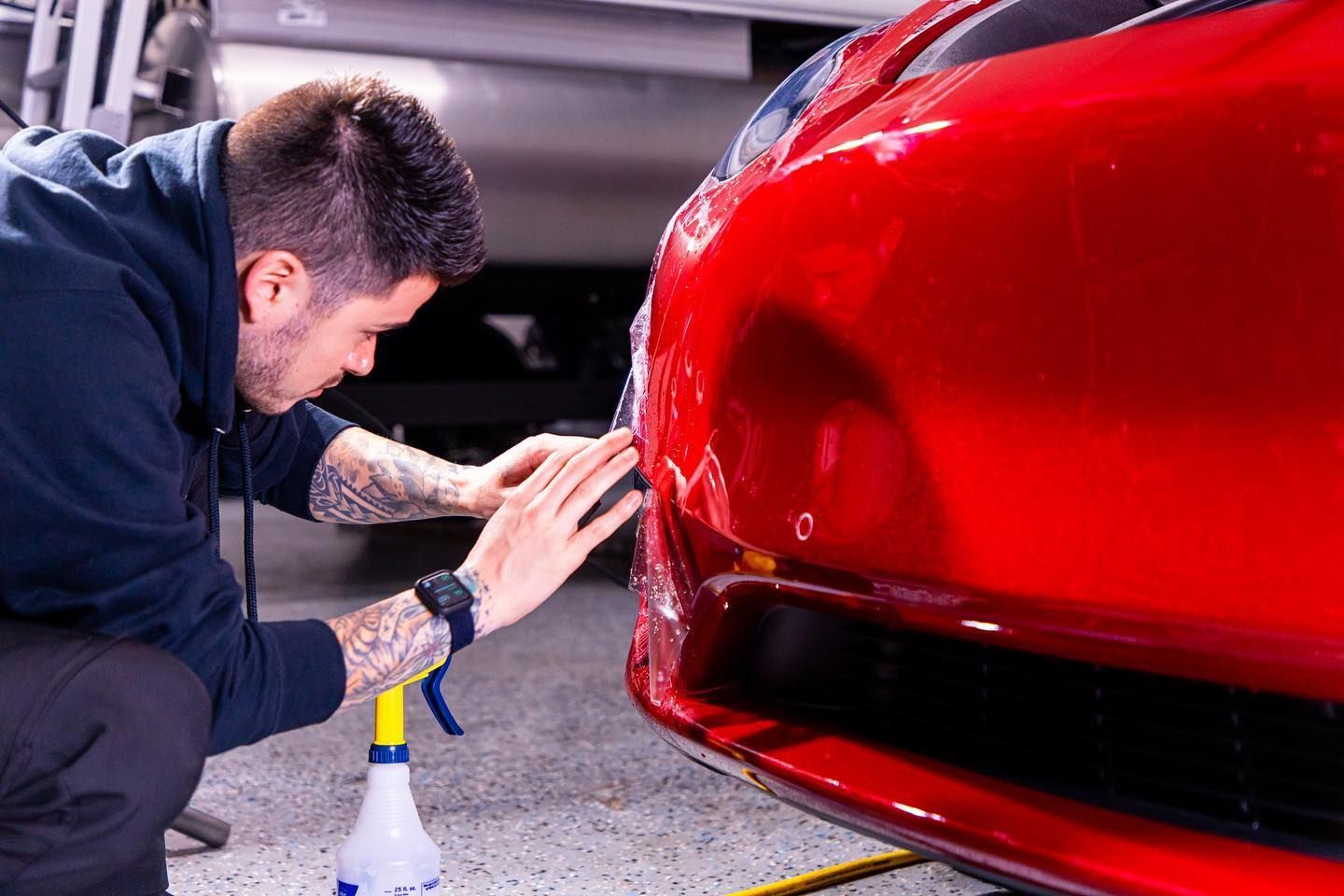
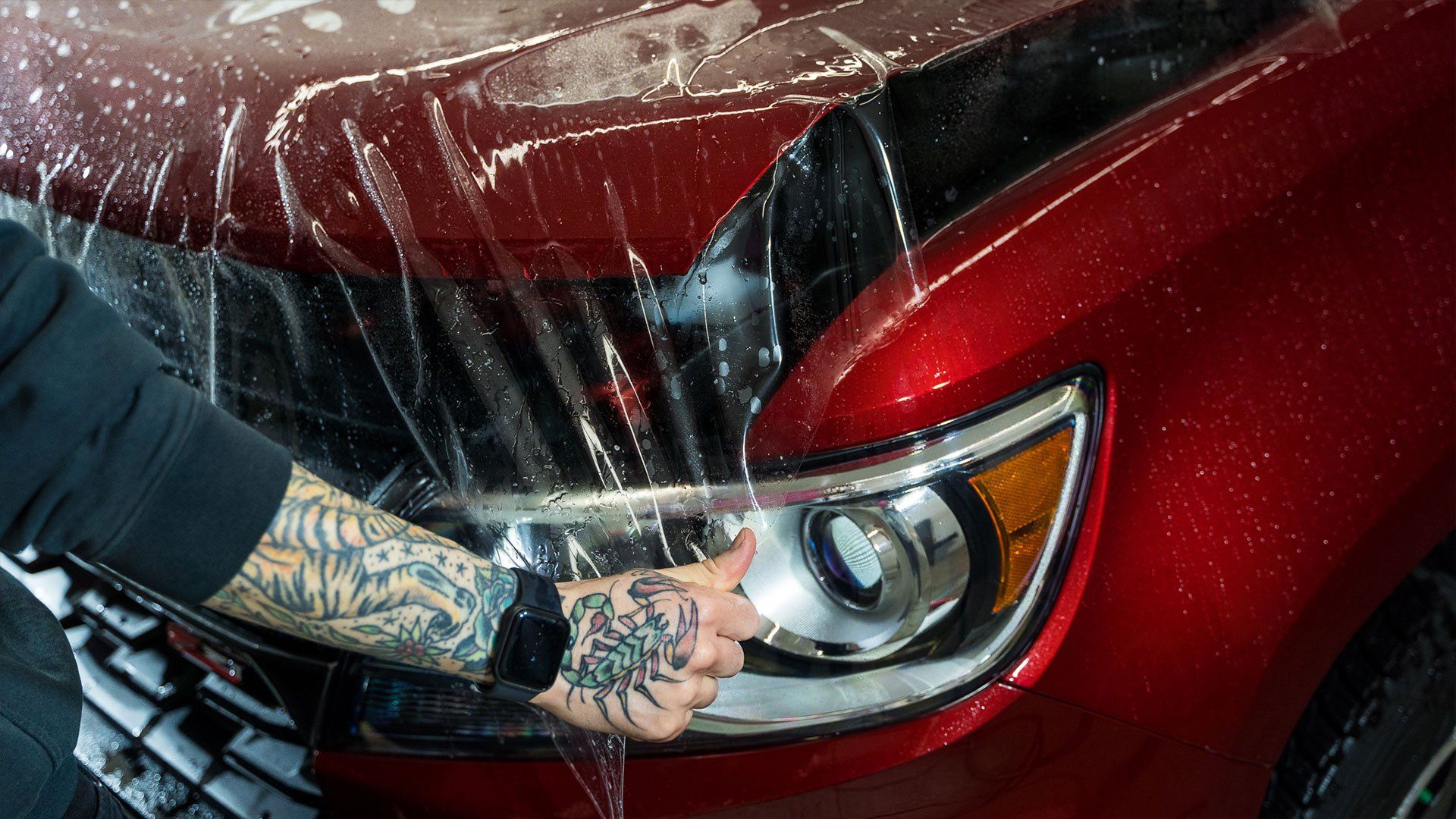
The development of Paint Protection Film (PPF) has been truly remarkable. Starting as a military-grade solution to protect helicopter blades, PPF has transformed into a sophisticated protective option for automobiles.
In the years that followed its military inception during the Vietnam War, PPF found its way into the automotive sector during the 1980s. However, early versions were often cumbersome; they had a thick application that made them difficult to install and tended to yellow with exposure to sunlight.
As consumer demands grew, so did innovation in PPF technology. The 1990s brought significant advancements in adhesive technologies, making it easier for installers and users alike. This era also saw the introduction of self-healing films, which could recover from minor scratches when exposed to heat. Imagine driving down a gravel road without worrying too much about potential damage to your car's paint—this was now within reach for car enthusiasts.
Moving into the 2000s, manufacturers began focusing on thin, flexible materials that offered better UV resistance. One of the most groundbreaking developments was thermoplastic polyurethane (TPU), which not only improved durability but also allowed for flawless application without bubbles or misalignment. This meant that getting a clear coat of protection no longer required sacrificing aesthetics; instead of detracting from a vehicle's finish, modern PPF could enhance it by providing an invisible barrier against everyday wear and tear.
Fast forward to today, where technological advancements continue to shape PPF offerings.
The contemporary market features films that not only promise longevity but also cater to consumer desires for customization—allowing various finishes from matte to glossy. Even more exciting is how PPF has diversified beyond automotive applications; homeowners are beginning to explore its benefits for protecting various surfaces around their homes against scratches and scuffs.
By understanding this evolution—from military necessity to consumer luxury—we can truly appreciate the immense value that Paint Protection Film offers today. Despite some skepticism among users regarding its cost versus benefits, particularly for lower-value vehicles, the resilience and aesthetic enhancement provided by modern films demonstrate the significant progress this product has made since its inception.
Recognizing this history illustrates that today's solutions are much more than just protective coverings; they represent a blend of scientific advancement and practical application tailored to keep our vehicles looking great against the rigors of everyday life.
With this foundational knowledge in mind, we now turn our attention to the innovations that are redefining what PPF can achieve today.
Technological Advancements in PPF
Modern Paint Protection Film (PPF) has undergone a significant transformation, driven chiefly by advancements in materials and manufacturing techniques. Central to this evolution is the introduction of Thermoplastic Polyurethane (TPU), which brings a wealth of benefits compared to earlier materials.
TPU's non-yellowing properties ensure that the film keeps its clarity over time, while its mechanical strength provides excellent protection against scratches and other damage. The shift towards higher-quality materials reflects a growing consumer expectation not just for protection but also for enhanced aesthetics, leading manufacturers to invest heavily in research and development.
Among the standout developments in PPF is self-healing technology, which has revolutionized how we perceive vehicle protection. Imagine minor scratches fading away simply by being exposed to heat. This capability stems from advanced polymers that respond dynamically to environmental conditions.
Whether it’s a sun-soaked day or a quick zap from a heat gun, the film can magically restore its surface, minimizing the signs of wear and tear. It functions as an invisible protector for your vehicle, working tirelessly in the background to maintain its original appearance.
This isn't just about maintaining aesthetic value; modern PPF also excels in protecting vehicles from UV damage. Contemporary films offer superior UV protection, effectively blocking up to 99% of harmful rays that contribute to paint fading over time.
As vehicle ownership continues to rise—particularly with the surge of electric vehicles—consumers are increasingly drawn to these high-performance solutions not only for protection but also as a means of personalization and enhancement.
The landscape of PPF technology doesn't stop at self-healing and UV defense; let's transition into exploring how innovative multi-layered structures elevate performance further, ensuring that every detail of your vehicle shines brilliantly for years to come.
Top Layer: Self-Healing and Hydrophobic Properties
Finally, we reach the ultimate layer of PPF. This is where technology truly excels, showcasing self-healing capabilities that can repair minor abrasions under heat exposure, similar to how a wound can heal itself with proper treatment.
Additionally, this topmost layer frequently includes hydrophobic properties that repel water and contaminants. If you've ever tried washing your car after rain—only to find those pesky water spots remain—you'll appreciate how beneficial these features are in maintaining your vehicle's pristine appearance.
A hydrophobic coating not only makes it easier to clean but also creates a barrier against things like tree sap or bird droppings that could otherwise lead to staining. Regular maintenance becomes less daunting with this innovative solution on your side.
These multi-layer innovations significantly enhance both durability and functionality, paving the way for important considerations regarding installation methods and their practical applications.
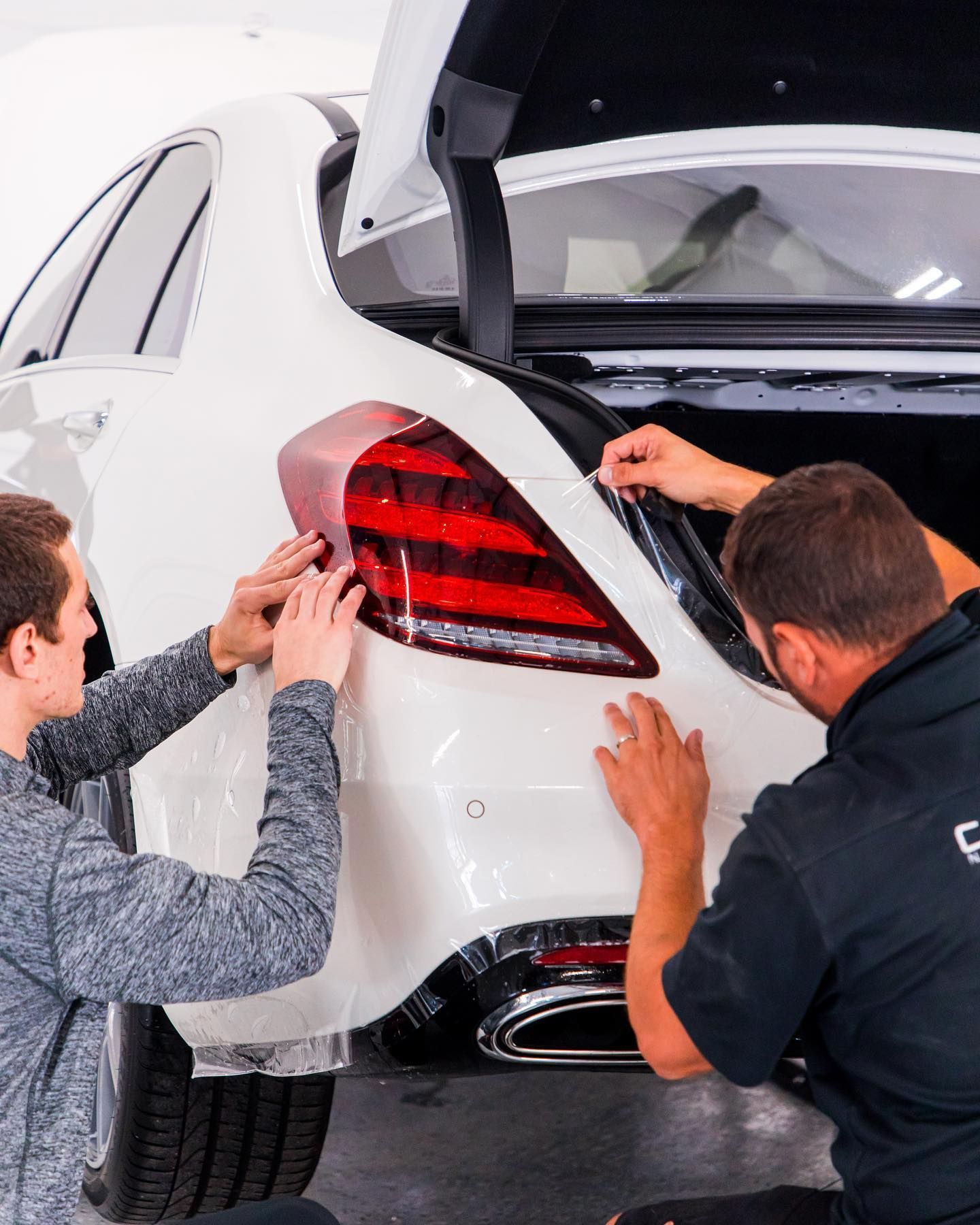
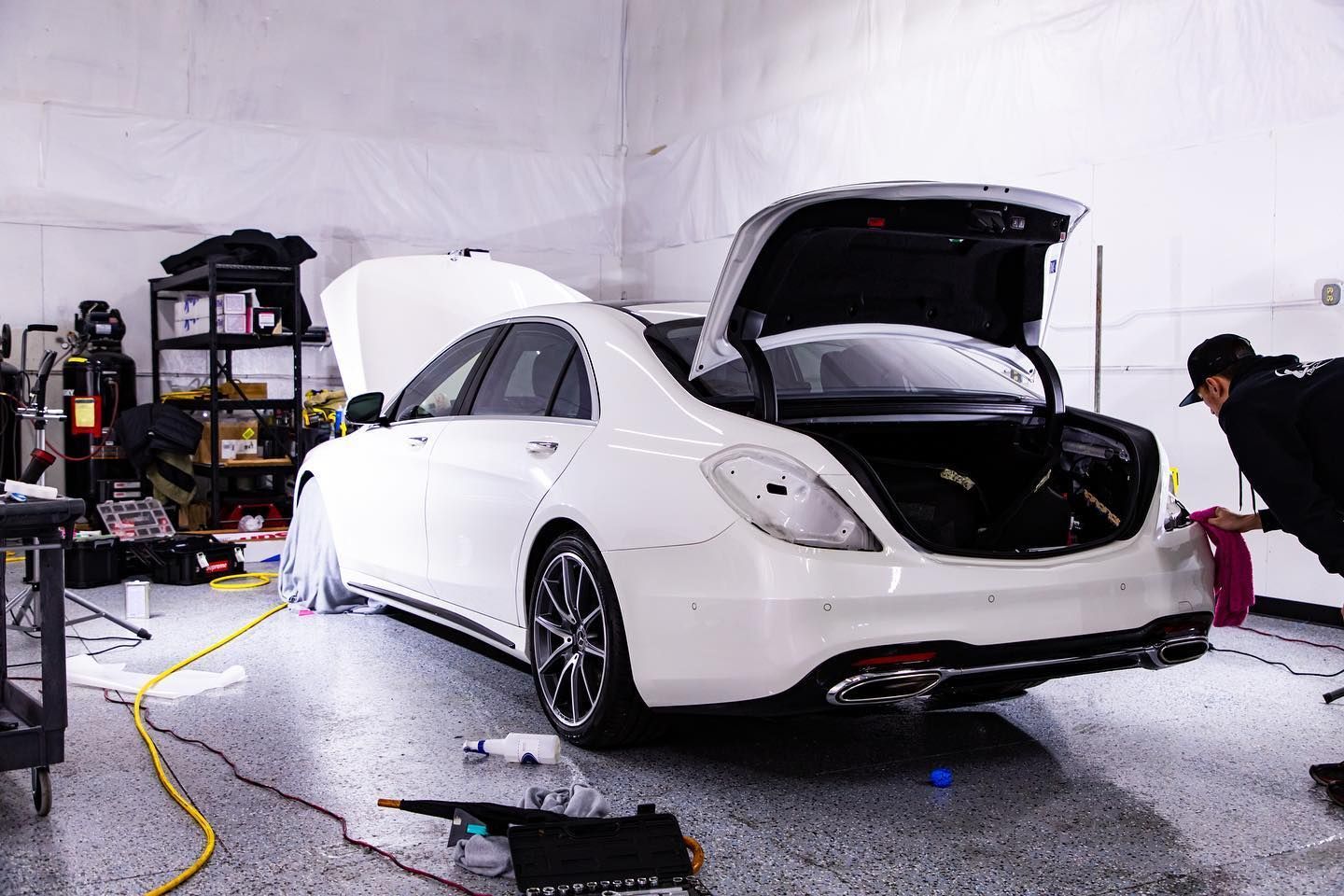
Benefits of Modern PPF
One of the most compelling aspects of Paint Protection Film (PPF) is its ability to shield your vehicle from various damages.
It's not just about preventing scratches and stone chips; it’s about maintaining your vehicle's integrity. When you invest in premium PPF, you're essentially investing in the longevity of your car’s paintwork. The film acts as an invisible barrier against contaminants, including road salt, bug splatter, and even environmental debris that can cause wear over time.
Paint Longevity
Maintaining original paint quality is a significant focus for many car enthusiasts, and premium PPF accomplishes this task with remarkable efficiency. A well-applied PPF retains your vehicle's fresh-from-the-showroom look, making it a wise investment if resale value is on your radar.
Cars protected by high-quality PPF tend to attract better offers; potential buyers often perceive them as better cared for and closer to new conditions. Research shows that vehicles with intact paint can see up to a 15% increase in their resale value, which certainly makes the cost worthwhile.
Aesthetic Enhancements
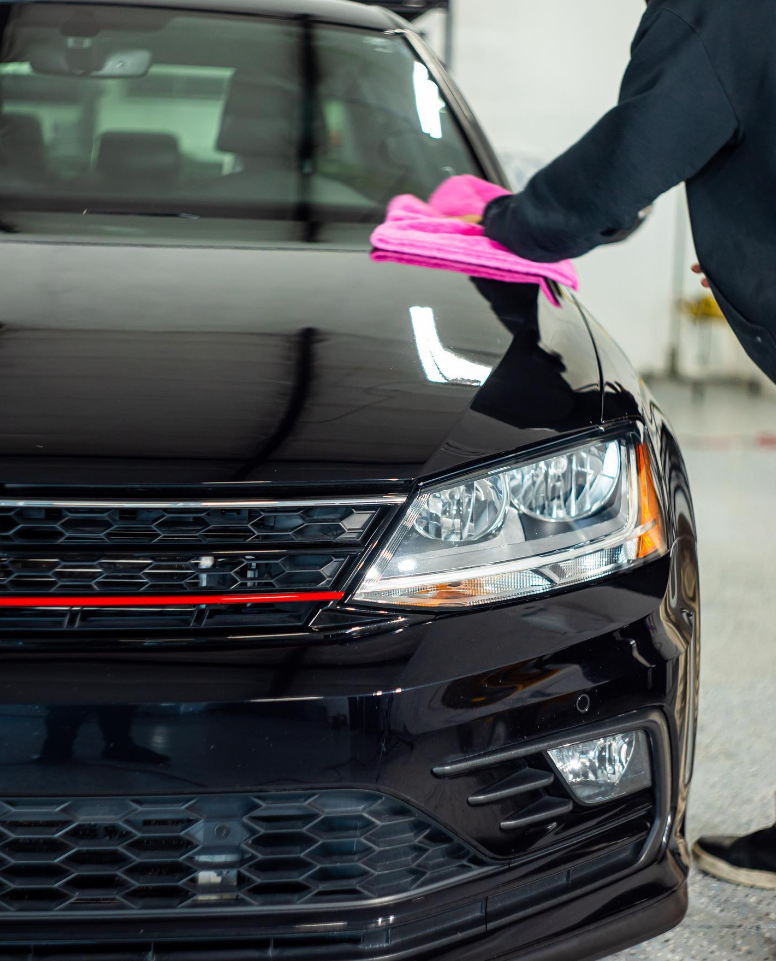
You may hear arguments suggesting that an exceptional paint job doesn't require protective measures. However, modern PPF doesn’t merely act as a shield; it enhances a vehicle's overall appearance. Depending on your preference, you can choose gloss-enhanced options to bring out depth and shine or matte finishes that have become increasingly popular for a sleek, understated look.
With dark-colored cars, the gloss enhancement can give an alluring effect under sunlight, while lighter colors can achieve a luxurious matte finish without compromising protection.
Future Prospects of Paint Protection Films
Smart Materials
The development of paint protection film (PPF) is becoming increasingly intertwined with cutting-edge technology. Future iterations could incorporate smart materials capable of adapting their properties to environmental conditions.
Imagine a scenario where your vehicle's exterior adjusts autonomously; when the sun blazes down, PPF could shift its opacity to minimize glare while you drive, enhancing both comfort and safety. These advancements will improve aesthetics and contribute towards improved durability by safeguarding against UV damage.
Enhanced Environmental Sustainability
With rising awareness around environmental issues, the push for sustainable practices in automotive care becomes paramount. Expect to see PPF manufacturers developing biodegradable or recyclable film options.
Some brands experiment with plant-based polymers that provide a less toxic alternative to traditional plastics, reducing their ecological footprint while still delivering protective capabilities. For those who cherish their vehicles and are equally passionate about the planet, this movement toward eco-friendliness makes choosing modern PPF an ethical decision.
Integration with Other Technologies
Another fascinating prospect lies in integrating paint protection film with other automotive technologies. Imagine wrapping your car not just in a protective layer but one that can generate its electricity through solar energy.
This innovative approach means that your vehicle’s exterior would serve dual purposes: offering robust protection against scratches and chips while harnessing sunlight to power batteries or charge devices on the go. Such synergies represent an exciting area for exploration within the automotive sector.
Ultimately, these advancements reveal an exciting trajectory for PPF as it evolves from basic shields into sophisticated solutions that merge seamlessly with our environment and technological advances. Each development will bring us closer to vehicles that are not only pristine in appearance but also transformed by functionality that enhances daily life.
As we look ahead to the future of automotive care, investing in advanced PPF not only protects your vehicle but also reflects a commitment to innovation and sustainability. For more information on protecting your ride, contact us at
Lucent Auto Work or call us at (253) 533-6776.