Are you spending hours on car washes only to see your vehicle looking dull a few weeks later? If so, you’re not alone. Many car owners dream of a long-lasting shine that keeps their ride looking brand new without the constant upkeep. That’s where ceramic coating comes in. This innovative product enhances the beauty of your car and offers serious protection against scratches and environmental damage. Adhering to manufacturer guidelines is crucial to achieving optimal performance. In this article, we'll dive into the essential steps for applying ceramic coatings, from understanding cure times to post-care tips, ensuring your car maintains its showroom shine for years to come. Let's get started!
The cure time for ceramic coatings typically involves an initial waiting period of 24 hours without washing or getting the surface wet, followed by a recommended avoidance of washing for 7-14 days to ensure optimal curing. To maximize the showroom shine and meet manufacturer guidelines, it's beneficial to keep the vehicle in a controlled environment during this time, allowing the coating to fully bond with the surface.
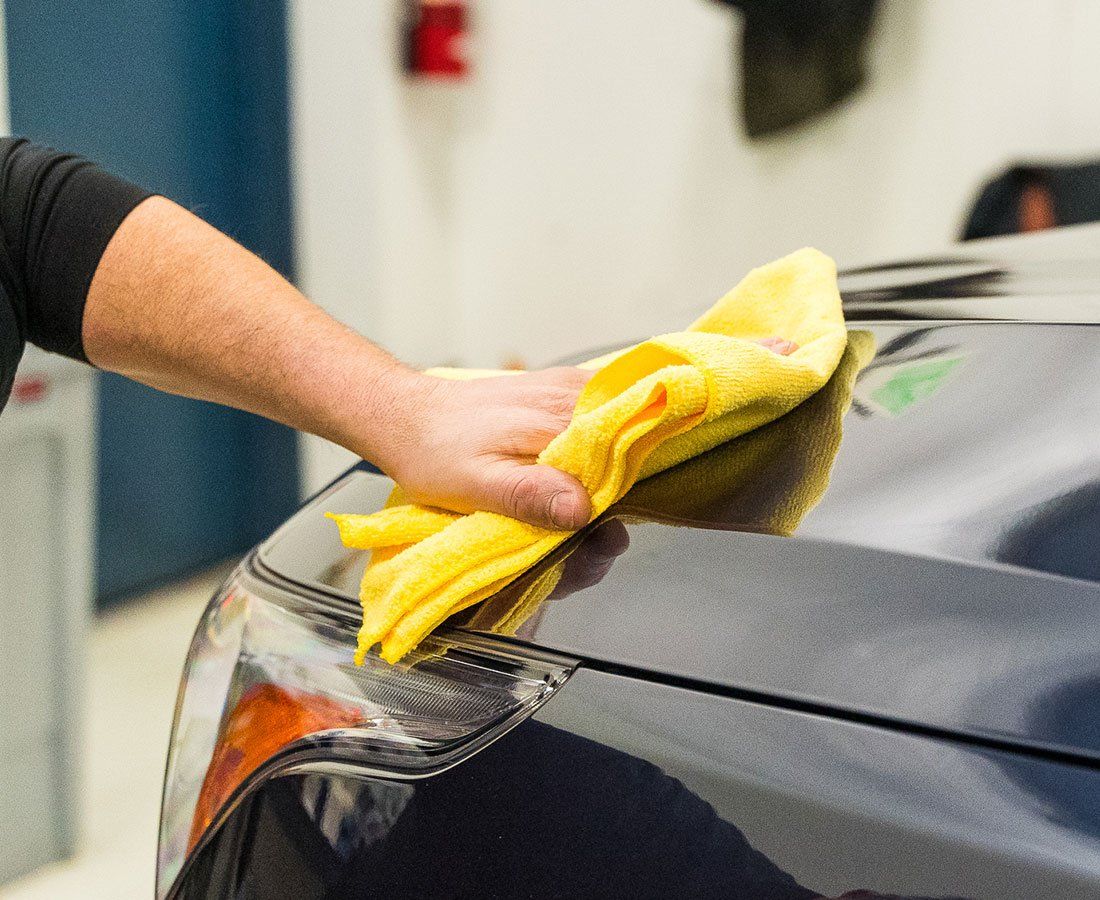
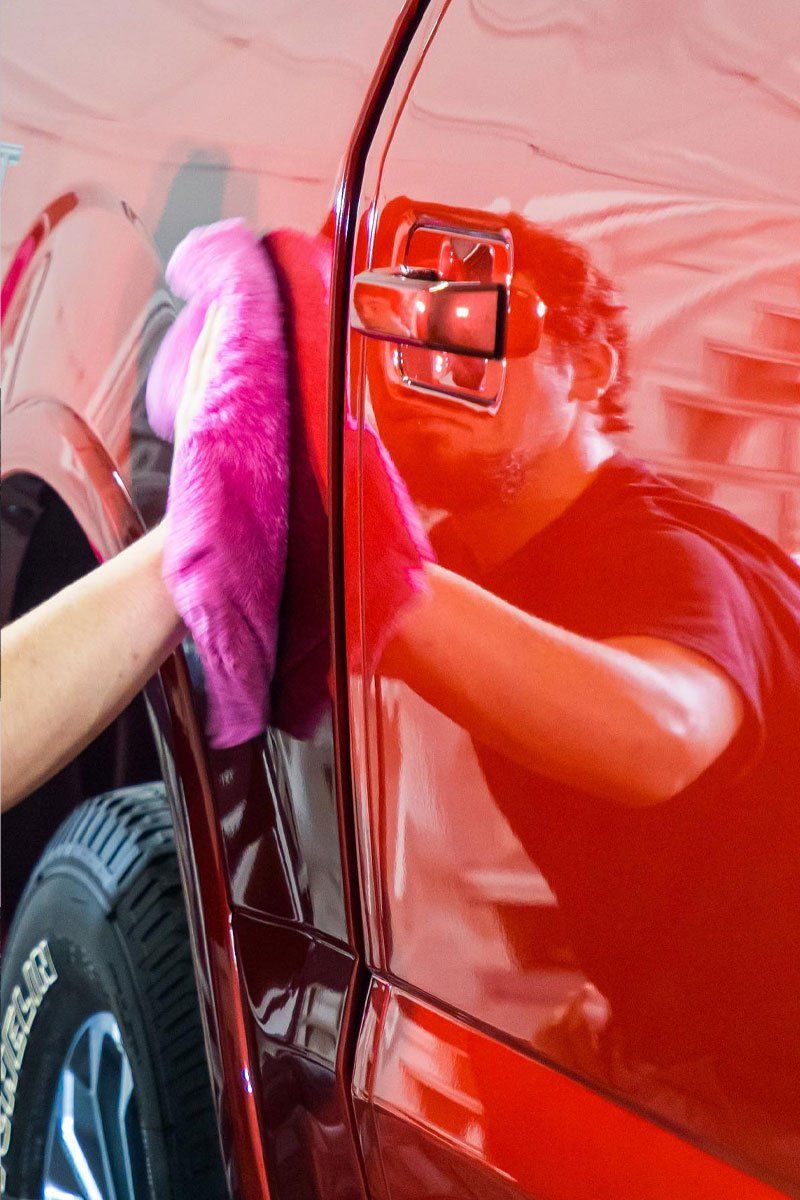
How Ceramic Coating Works on Your Vehicle
Ceramic coating operates by forming an intricate bond with your vehicle's original paint. This is not just a superficial layer; it intertwines at a molecular level, creating a robust shield that truly breathes life into the vehicle's aesthetics. It results in a gloss that highlights the contours and colors of your vehicle exquisitely.
When applied properly, ceramic coatings exhibit remarkable durability, offering an advanced protective capability that transforms the everyday experience of car maintenance. Unlike waxing—which can wear off after a few washes—ceramic coating provides a long-lasting defense against environmental threats, significantly enhancing your vehicle's performance in terms of resilience and endurance.
Chemical Bonding
When the ceramic coating is applied to the surface of your car, it begins a chemical reaction that results in an incredibly strong adhesion between the two materials. This means that once cured, the coating forms a durable shell, significantly increasing surface hardness.
Hydrophobic Properties
The marvel doesn’t stop there. Along with added strength, ceramic coatings exhibit impressive hydrophobic properties. Imagine pouring water onto a surface treated with ceramic coating—instead of soaking in or spreading out, the water forms perfectly round beads that roll off fluidly.
This characteristic makes it exceptionally effective at repelling dirt, road grime, bird droppings, and other contaminants that plague your vehicle's finish.
By reducing friction and creating a barrier with low surface energy, cleaning becomes a far less frequent necessity. The mere act of washing your vehicle will now be quicker and more efficient, as dirt has little chance to cling to the surface. Less frequent cleaning translates into convenience and extends the longevity of your vehicle's appearance.
Factors Affecting Cure Time
Several factors influence ceramic coating, primarily the environmental conditions surrounding the application. Ensuring these align with manufacturer guidelines will ensure that the coating performs optimally, granting your vehicle not only protection but also an unparalleled gloss.
For instance, temperature and humidity can significantly impact the curing process. Ideally, you want to aim for a comfortable 25°C (77°F) with around 50% relative humidity. These conditions facilitate the best environment for your ceramic coating to adhere properly and develop its protective qualities, ensuring the integrity of the paintwork.
Environmental Conditions
Extreme temperatures can lead to rapid evaporation of solvents within the coating, which might result in an uneven finish. High humidity levels can introduce moisture into the mix, affecting how well the coating bonds to the paint surface. You may find more challenges if you're applying in cooler or damp conditions—it's something to keep in mind as you prepare for coating application.
Another factor to consider is wind. While a gentle breeze might seem harmless, strong winds can carry dust and debris onto the freshly coated surface before it’s fully cured. That's an unwanted scenario that could ruin all your hard work and compromise the quality of the paintwork.
Coating Thickness
Moving on from environmental considerations, let’s talk about coating thickness. It plays a pivotal role in determining how long it will take for your ceramic coat to fully cure. A thicker layer of product may give you a more durable finish but comes at the price of extended curing times. Think of it like making a cake; if you bake it too thick without adjusting the temperature or time, it won’t set correctly. Following the instructions and applying the correct amount of coating is essential for optimal results.
Achieving a balance between a durable finish and a reasonable cure time is crucial, as many seasoned car enthusiasts will tell you. Carefully following the application instructions and ensuring a consistent amount is used can help achieve this balance.
However, layering additional coats should be approached with caution. Monitoring and allowing adequate drying between coats is essential for optimizing both the durability and curing efficiency of the paintwork.
Another important thing to remember is that after applying that fresh ceramic coating, you'll want to protect it from water and contaminants during the initial curing phase. Many products recommend avoiding water exposure for up to 72 hours post-application. This care ensures maximum longevity for your impressive new shine and paintwork.
Understanding these vital factors—environmental conditions and coating thickness—sets the stage for exploring how to effectively prepare before applying your ceramic coating for optimal results. Adhering to precise instructions and considering the recommended amount can profoundly impact the outcome.
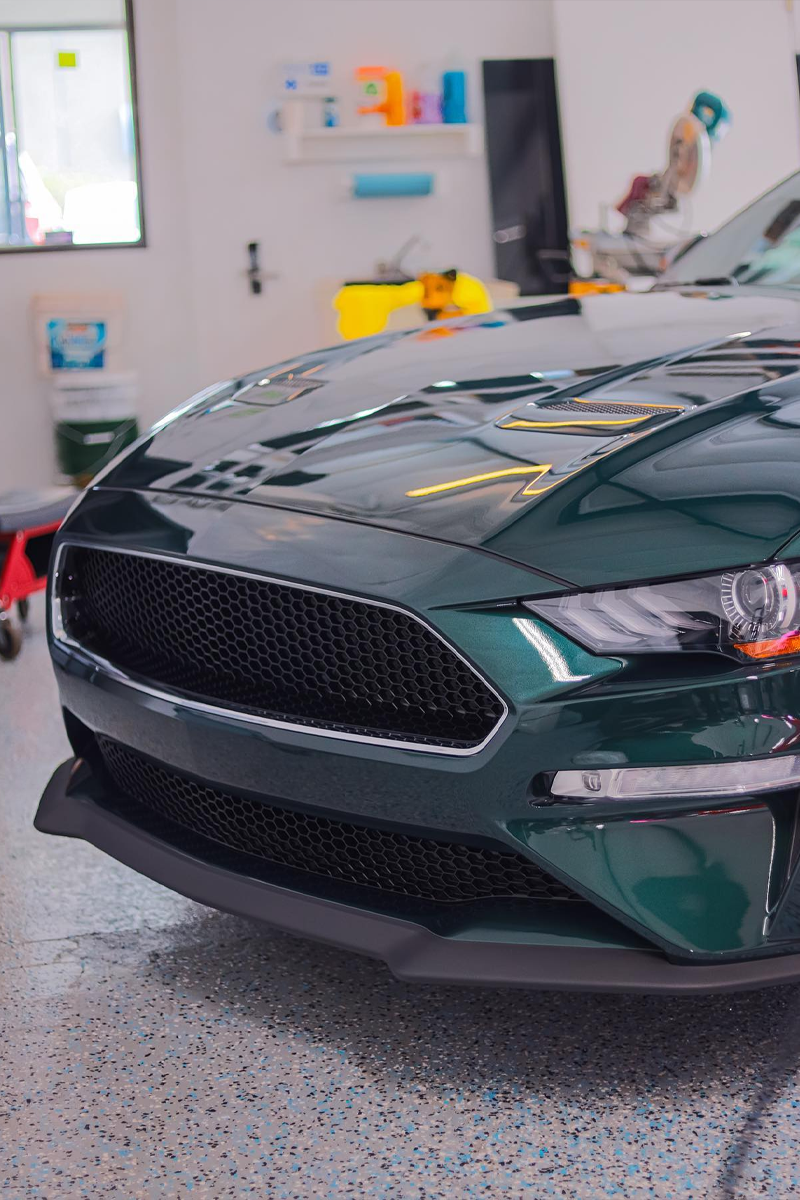
Steps for Pre-Cure Preparation
The first step in getting your vehicle ready for ceramic coating is to ensure that it’s as clean as possible. Start with a thorough wash, using a pH-neutral soap to gently remove dirt, grime, and other contaminants lingering on the surface. This part is crucial because if your car is dirty, the coating won't adhere properly, leading to suboptimal results. Using a gentle scrub with the appropriate product significantly improves the paint's preparation for subsequent steps.
After washing, it's time to follow up with a clay bar treatment. Clay bars are fantastic tools for removing embedded particles like tree sap or industrial fallout that regular washing simply can't tackle. Just imagine running your fingers over glass; that's how smooth your paint should feel after this step. Never skip decontamination; it's key to ensuring that the ceramic coating can effectively bond with your vehicle's paint. Following the specific instructions for each preparation step, including the correct amount of each product, is crucial for successful coating application.
Once you've got a pristine canvas, it’s time to address any imperfections, which brings us to step two: paint correction. If your vehicle has scratches or swirl marks, you want to take the time to resolve these issues before applying the coating. Using a polishing compound will help restore clarity to the paint by smoothing out those defects. When polishing, pay special attention to each area to ensure even treatment and effectively buff out imperfections for a flawless finish.
It’s an important stage because ceramic coatings are often transparent, meaning they highlight any flaws rather than hide them. Investing effort into this process will pay off once your vehicle shines beautifully under sunlight, with a polished look that truly stands out in detail.
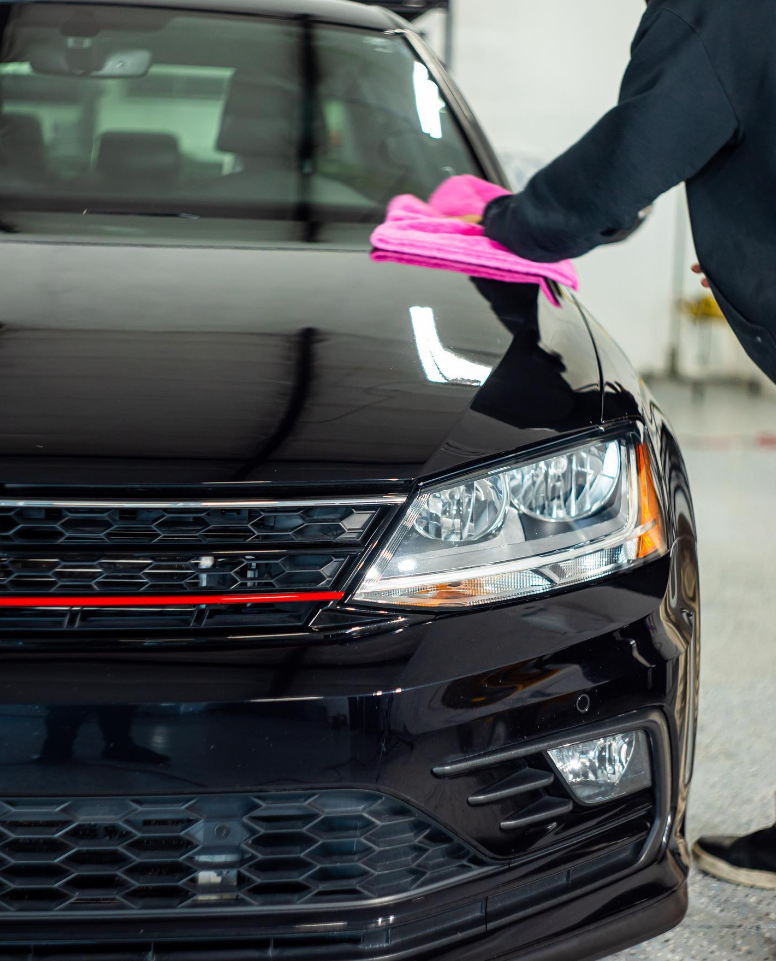
Finally, we're onto the last step of pre-cure preparation: surface wipe-down. After correcting any imperfections, go over the paint with an isopropyl alcohol (IPA) solution. This vital action removes any lingering oils or residues left from previous cleaning steps, ensuring optimal bonding of the ceramic coating to the surface. Picture this wipe-down as a final touch before hosting guests; you want everything to look perfect!
With these foundational preparations completed—washing and decontaminating, correcting imperfections, and wiping down surfaces—you are now ready to transition into what comes next in achieving that stunning finish on your vehicle.
Post-Cure Care Tips
After the initial worries surrounding the curing process subside, you'll want to keep that showroom shining for as long as possible. The key is knowing what to do and when to do it.
Initial Cure Phase
As you start enjoying your newly coated vehicle, remember that you should still be cautious during the initial cure phase. For this reason, avoid driving until that time has elapsed, keeping your vehicle free of water exposure. It’s best to park it in a garage or under a shelter; if you don’t have that option, consider using a car cover designed for this specific purpose.
Full Cure Period
After that first day, patience is key. Most ceramic coatings require about a week to fully cure. During this time, it's important not only to avoid washing your vehicle but also to strategize where you park. Ideally, steer clear of trees and areas known for high levels of dust or other contaminants.
Bird droppings and tree sap may seem harmless at first, but they can damage an uncured coating if left unattended; gently remove them without using water if possible—just act quickly and with care, ensuring that every area of the coating remains polished and intact.
Following those critical days will lead you to a much simpler maintenance routine.
Maintenance Washing
When it's finally time for that first wash after the full cure period, use only pH-neutral shampoo specifically designed for coated cars.
Furthermore, establishing a regular cleaning schedule helps prolong the life of your ceramic coating. Aim for maintenance washes every few weeks, depending on how often your vehicle is used and exposed to elements. In addition to washing, consider using a specialized ceramic coating booster spray once every couple of months—these products can add extra protection and enhance the shine even further, keeping your vehicle looking polished and pristine through every detail.
The result? You'll find your vehicle looking as stunning as it did the day you applied the ceramic coating—a shining testament to all the care you've put into maintaining its appearance and durability, a true marvel in the realm of automotive excellence.
Every bit of effort contributes significantly; by adhering to these recommendations and building a consistent regimen, you’ll pave the way for enhancing both protection and radiance in your vehicle's finish. This level of consistency is what truly sets apart a dedicated automotive enthusiast from the rest.
For expert advice on ceramic coating applications or to get started, reach out to us at
Lucent Auto Work or call us at (253) 533-6776.